When a brand stands with a cause: what the partnership must actually do
A partnership is not a logo in the end frame. Five questions show whether a brand is standing next to a cause or doing something for it.

/ PARTNERSHIP
When a brand stands with a cause: what the partnership must actually do
Two campaigns can look identical from the sofa. Same soft light. Same nonprofit logo in the end frame. Same word on the press release: partnership.
One of them moved money, on a schedule, to a named programme, and left a trail anyone can read. The other stood next to a cause for thirty seconds.
From the outside, you cannot tell which is which. That is the problem.
In our last piece we argued that proof is an inspectable chain: claim, action, recipient, evidence. This piece takes that chain into the place where it is most often left out: the brand–cause partnership itself.
Standing next to a cause is not doing something for it
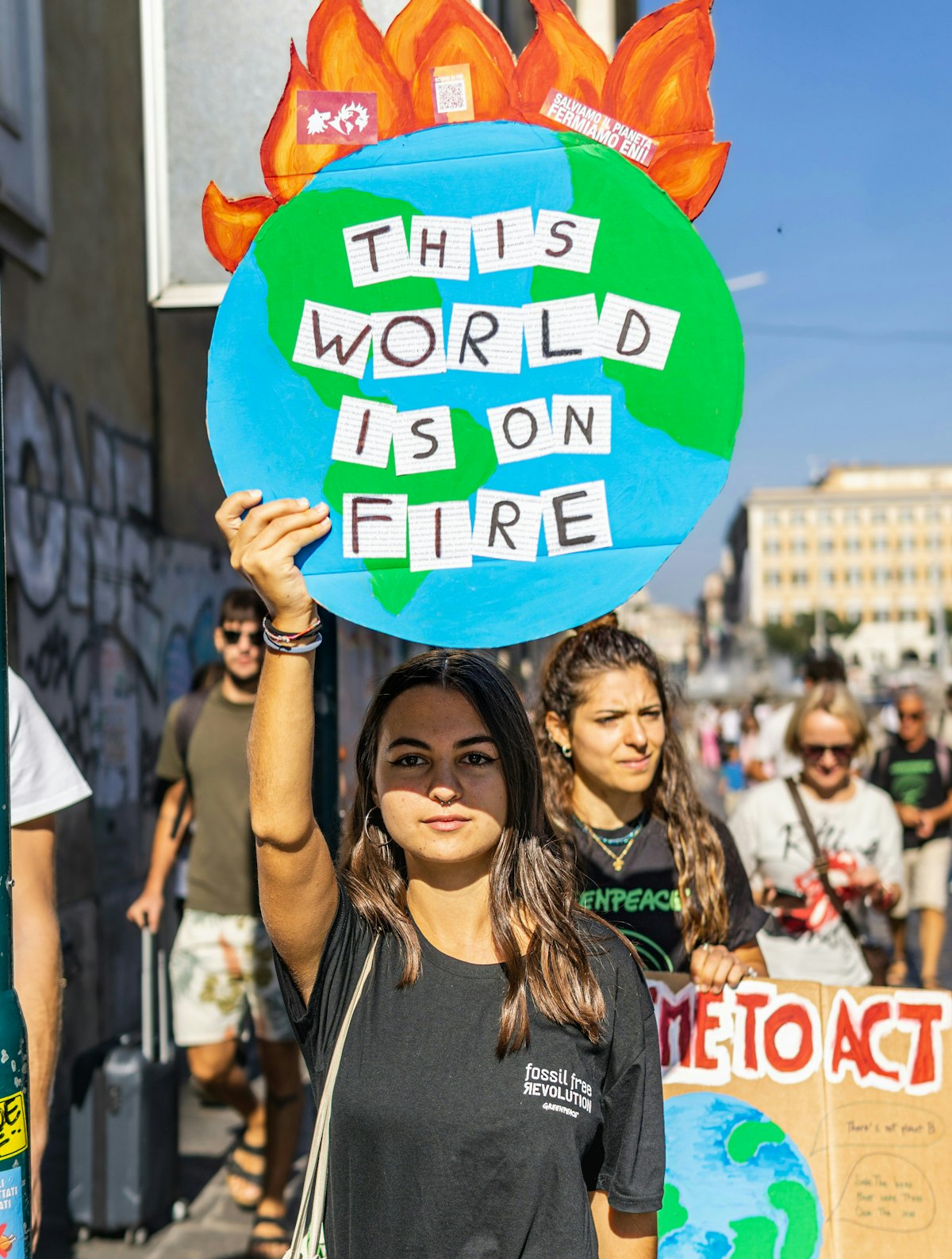
Visual proximity is cheap. A brand can borrow a cause's colours, its vocabulary, its spokespeople, even its members' faces, and give nothing back that the cause can spend.
Proximity isn't always cynical. Many teams sincerely want to help. But sincerity is not a mechanism. A mechanism survives the question every nonprofit eventually asks: what, concretely, changed for us?
So here is the working definition. A credible partnership does at least one thing the cause can use, and says what it is.
Five questions a partnership has to answer
Take any partnership announcement and ask five things. Missing answers are an answer.
1. Who pays what? Not "supports". An amount, or a rule for calculating one. A share of a defined budget. A fixed sum. A donation per unit sold, with the method stated. If the brand is giving time, expertise or media space instead of money, say so in those words. They are real contributions. They are different ones.
2. Who receives it? A named organisation, with a legal existence you can look up. Not "communities", not "local initiatives", not "partners on the ground". The name is part of the evidence, not a courtesy.
3. Which concrete action does it fund? A programme, a service, a campaign, a year of a salary. Something that can be described without adjectives. "Awareness" is a fair thing to fund, if that is what the organisation asked for and the brand says so plainly.
4. Over what duration? A single season and a multi-year commitment are different objects. Both can be honest. Only one should be described as "long-term". A start date and an end date, or a renewal condition, belong in the public description.
5. What can a reader check? Somewhere, a page, a report, a statement from the recipient, that a stranger can open. Evidence the brand holds privately is useful for the brand. Evidence a reader can reach is what makes a claim public.
Three patterns, described without names
These are anonymised composite patterns, not case studies of any real brand.
The backdrop. A film features an environmental or social theme. A nonprofit is credited in the end frame. No amount, no action, no duration. The brand may well have given something. Nothing on the page says what. The audience is left to convert atmosphere into impact, and the nonprofit is left as scenery.
The pass-through with no ceiling and no date. "A donation for every purchase." It sounds concrete and it has a number in it somewhere, but the reader cannot find the total, the period, or the confirmation from the recipient. The mechanism exists; it just isn't inspectable. This is the most fixable pattern of the three: publish the rule, the period and the outcome.
The named, repeating commitment. A brand funds one organisation's specific programme across several years. The amount or the rule is public. The nonprofit says in its own words what it received. When something did not go as planned, the report says that too. This is less photogenic than the first pattern. It is also the only one where the cause is a partner rather than a set.
None of the three is a verdict on a brand's intentions. They describe what a reader is able to see.
What the cause needs from the partnership
Movement organisations often carry the cost of being a brand's setting. Staff time goes into approvals and shoots. Their name gets attached to a message they did not write. The relationship can end when the campaign does.
A partnership that is really for a cause tends to look different from the receiving end:
- The money or resource arrives when it was promised, not when the campaign needs a photo.
- The recipient can say what the funding is for, in its own language.
- The nonprofit reviews how it is described, and can correct it.
- The claim made to the public stays inside what was actually done.
- There is a plan for what happens after the campaign window.
These are not moral extras. They are what turns a sponsorship into an action.
Duration is part of the claim
A partnership announced as a commitment and delivered as a season is a quiet form of overclaiming.
If a brand funds a programme for the length of a campaign, the honest description is "for the length of this campaign". If it intends to renew, it can say what would trigger renewal. If it cannot promise more, that is a legitimate answer. It is a better answer than a word like "always".
Why this matters more now
Rules on environmental and social claims made to consumers are tightening across Europe, under Directive 2024/825 and its national transposition, which varies market by market. We covered the regulatory side in an earlier piece, and we won't repeat it here. This is not legal advice, and no partnership model on this page is a guarantee of compliance.
The editorial point stands regardless of the rulebook: readers, nonprofits and journalists ask the same questions whether or not a regulator does.
A test you can run in five minutes
Before a partnership goes public, write one sentence that fills these blanks:
"[Brand] pays [amount or rule] to [named organisation] to fund [specific action] for [period]. You can check it here: [link]."
If the sentence can't be written, the partnership is not ready to be described as doing something. It may still be a good relationship. Call it what it is: a conversation, a pilot, an intention.
If the sentence can be written, put it where the audience will see it. Not in a footnote. Near the logo, where the association is being made.
For those who want a structured way to publish that sentence, Ad For Good's Proof of Cause standard sets out four levels of proof, from a declared claim to one attested by an independent accountant. It is one approach among others, and it doesn't replace legal review of a specific claim.
The bar is not perfection
Most brands will not clear every one of the five questions on the first try. That is fine. A partnership that is honest about being small is better than a large-sounding one that cannot be inspected.
The goal is a simple one: that when a brand stands with a cause, the cause can tell what was done, and so can everyone else.
Standing next to a cause is easy. Doing something for it, and saying exactly what, is the work.
/ Keep reading